Trust Never Sleeps
It used to be so easy
- If you wanted to resolve a problem with someone you could talk to them.
- There were politicians who you didn't necessarily trust but they didn't lie, on public TV.
- It felt as if, when a problem was difficult, getting enough of the right people in a room would probably help solve it.
- If you wanted to support your family you went to work.
- Needed to let off steam then you went to the pub.
- Kissing - that was nice.
You wanted to know that someone was doing their job then you could see that they came in early enough and that they left late enough - you knew in your heart of hearts that this was not exactly scientific. Still, it is what your boss used with you and like wearing a tie or dressing for the office its what you did, to show that you were serious.
So what to do when all this has gone?
The solution at the moment seems to be to have lots and lots of meetings; that way everyone knows that everyone else is 'working'. But there is a problem when will they have time to do the actions assigned as they are in so many meetings?
Surely AI or ML or BlockChain can help?
But trust isn't a currency; you can't enumerate it, its somewhat slippery something like those quantum particles that measurement makes disappear, and the harder one tries to establish trust, by putting in metrics, on something so hard to nail down, the worse the problem gets.
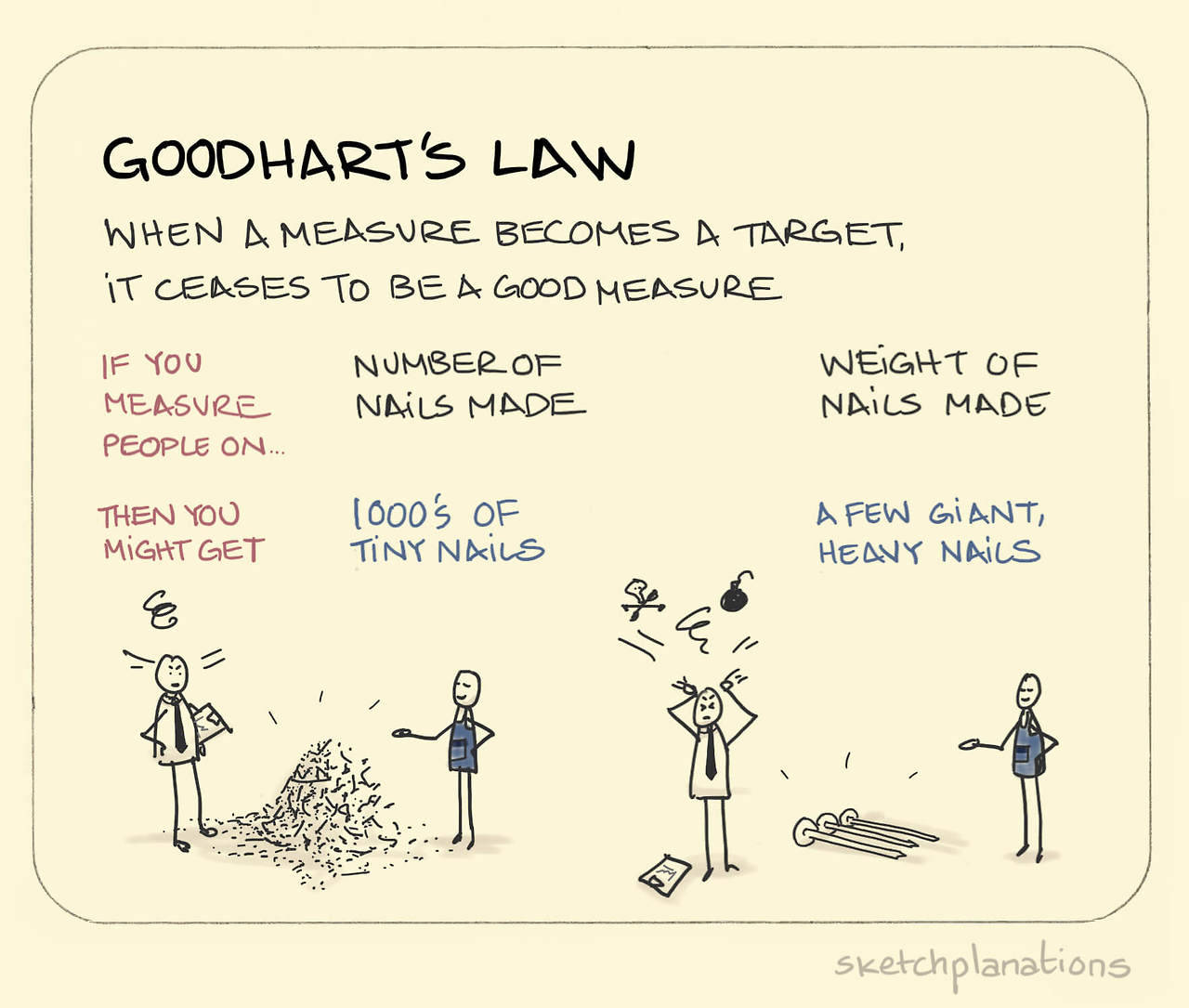
Trust its a local problem.
If you met someone who claimed to trust everyone - you would probably think them a saint or a madman, either way, it's not the sort of thing you would put on your CV. Trust must be built locally at the team level, decide what trust means within the team, and what is necessary to sustain it, but unless the team feel it's reasonable and doable, then it will be gamed, or you will be back to endless meetings.
If you want to know how we do this, you can ask.